Storage And Serving
The day you receive catered Italian food is the day the real work begins—not in the kitchen, but in the planning. You’ve ordered the food, you’ve set the time, and now you need to know exactly how to hold it, serve it, and handle what’s left. This page walks you through every step, from the moment the delivery arrives to when you’re packing up the leftovers. Each item tells you what to do and why it matters, so you can check it off and move on knowing the food will be ready when your guests are.
Before the Food Arrives: Your Setup Checklist
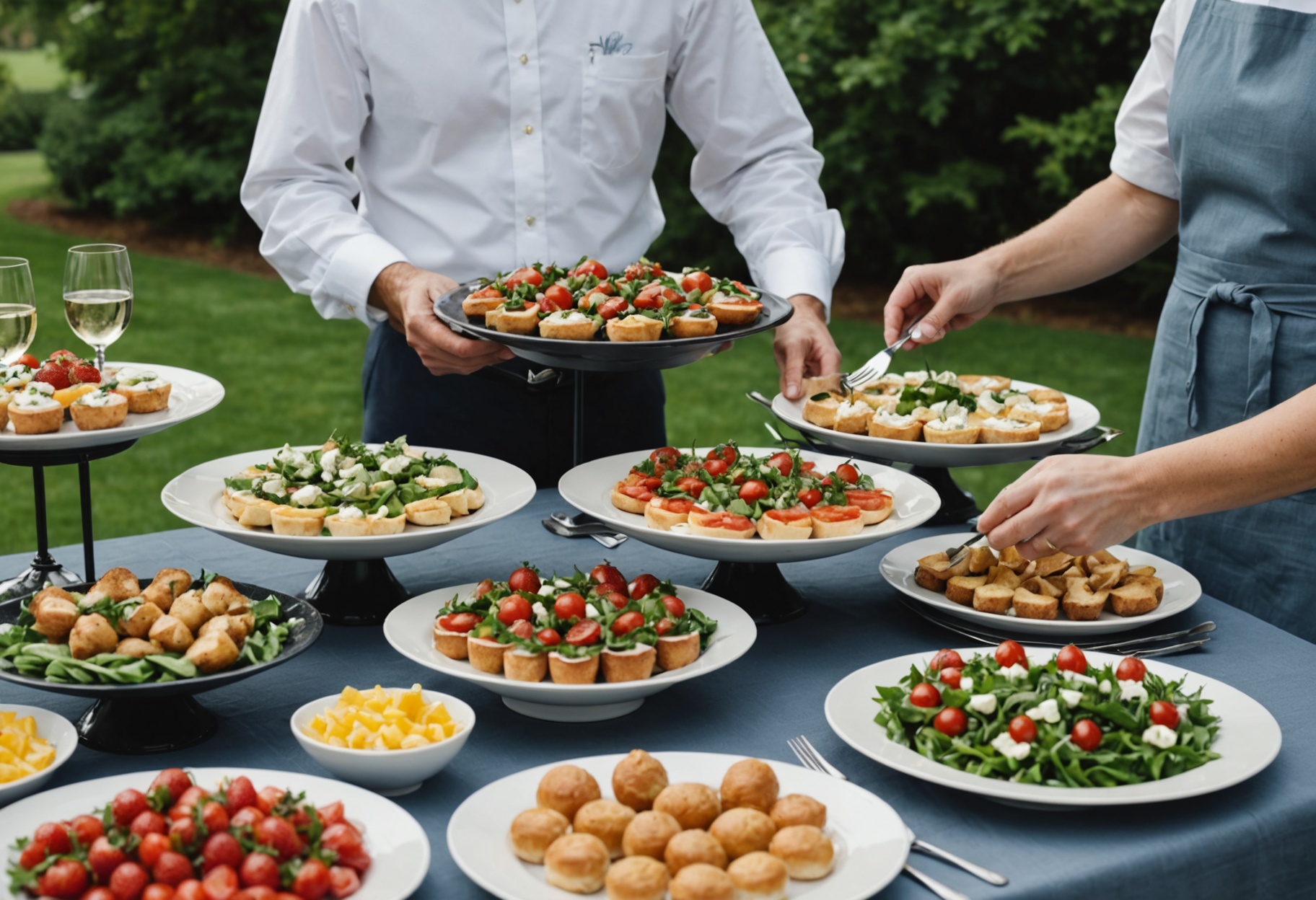
Clear a space. You need room on your table or counter for all the trays—don’t assume they’ll fit where you think they will. If the caterer or restaurant didn’t tell you the tray dimensions, call and ask. A full pan of pasta is 20 by 12 inches.
Set your oven to 200°F. If you’re holding hot food for more than fifteen minutes, it needs heat. A 200-degree oven won’t dry things out and will keep pasta and sauces at serving temperature. Do this before the food arrives, not after.
Get your serving pieces ready. Spoons, tongs, small plates if you’re refilling from the main trays, napkins. If you’re serving yourself, you need this. If you ordered from a restaurant and they didn’t include serving pieces, you’re using forks and spoons from your drawer—make sure you have clean ones.
Clear fridge space. Salads and any cold items need to go in right away. If you don’t have room, move something or use a cooler with ice.
Know your pickup or delivery window. Call the restaurant or caterer thirty minutes before they’re due and confirm the time. Traffic happens. A heads-up means you’re not caught setting the table when they arrive.
Have a cooler and ice if you’re picking up. Hot food stays hot in a well-sealed box, but only for about twenty minutes. If your drive is longer than that, bring a cooler with ice packs to slow the cooling.
Know what they’re giving you. Ask ahead: do you get serving spoons and tongs? Napkins? Plates if you’re serving buffet-style? Do you need to return the trays, and if so, when? This is the conversation to have before the food leaves the kitchen.
Plan the eating window. If dinner starts in two hours but the food arrives now, you need a holding plan. Hot food goes in the oven at 200°F. Cold food goes straight to the fridge. Nothing sits on the counter unless you’re serving it in the next fifteen minutes.
A Final Word
A catered meal succeeds because you know what to expect. You’ve ordered enough food, you know when it’s arriving, you’ve made space for it, and you have a plan for keeping it at the right temperature. The checklist above covers every step. Print it, check it off as you go, and you’ll find that feeding ten people from a restaurant or caterer is simpler than cooking the same meal yourself—which is exactly why the service exists.