Tasting Notes
When a catering tray of Italian food arrives at your door, you can tell a lot in the first minute—before anyone eats, before you taste it. The pasta should be hot enough that you feel the steam; the sauce should coat without running; and the cheese should have melted into the dish, not sat on top. These are the marks to look for when you’re evaluating what a restaurant has sent for your crowd.
A good catering dish doesn’t just feed people; it shows you that someone cared enough to think about how it would travel.
Massachusetts Mise Courier
The difference between a tray that works and one that doesn’t often comes down to temperature and texture. Pasta dishes that arrive at sixty degrees are already losing their appeal. The bottom layer sits stiff while the top is still warm. Penne or rigatoni should bend slightly when you stir it; lasagna should separate in clean layers. With pizza, the crust tells the story: if it’s been sitting too long, it turns gummy. A good catering operation knows how to time a bake so the pizza holds its crust even when it cools.
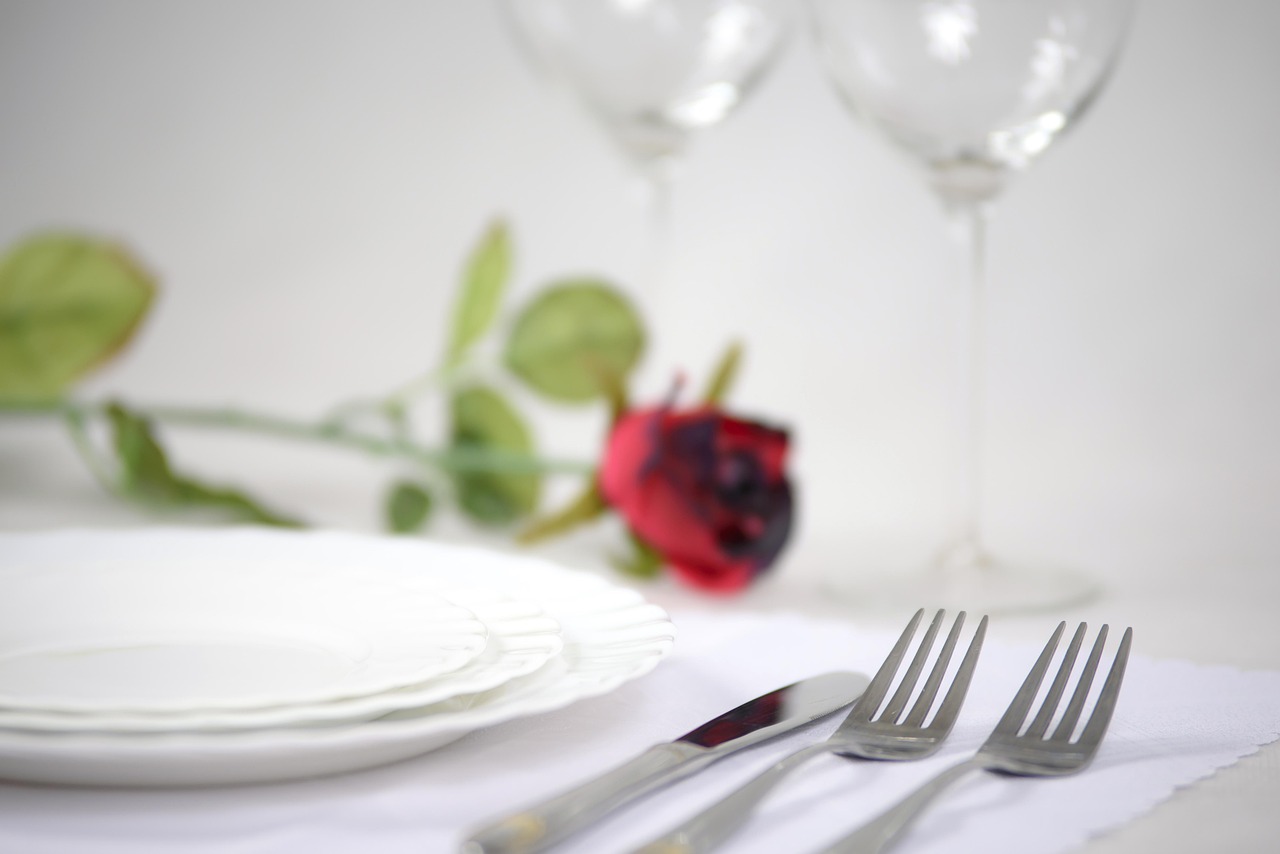
The dining space tells you how the operation thinks. A restaurant that caters for crowds has invested in the details: the linens that show up are clean, the glasses match, and there’s enough of everything. When you’re planning a group meal, you’re betting that the place you’re ordering from keeps those same standards whether you’re sitting at their counter or you’re ten miles away.
Sauce consistency matters more than most people think. A tomato-based sauce that is too thin will separate from the pasta as it sits. One that is too thick will gum up and become hard to eat. The best catering sauces hit the middle: they hold together, they coat the noodles, and they don’t break when you reheat them. Fresh basil should be added at the end, not baked into the tray, or it turns black and tastes like nothing.
In the kitchen, timing is everything. The people prepping your order know when to taste, when to adjust the salt, and when to stop. A dish that’s been held hot for two hours will taste nothing like one that’s been sitting in an oven-hold for five. The difference is in the texture of the pasta and whether the cream or oil has broken. When you’re evaluating a catering operation, ask yourself: would they eat this themselves right now, or are they sending it out because it’s nearing the end of a shift?
Questions worth asking
When you’re evaluating a catering operation, pay attention to how the owners answer a few key questions before they start cooking. Do they ask about the event—how many people, how long the meal will sit, what time it needs to arrive? Do they volunteer their limits—what’s the furthest they’ll travel, how much advance notice they need? These conversations tell you a lot. A kitchen that asks the right questions up front is a kitchen that’s thinking about your event before anyone eats.
The best catering operations make it easy to place an order, but they also make you think through your event. They know how food travels, they know how heat works, and they’re honest about what they can deliver and when. When you call to place an order, listen for whether they’re asking questions back. The ones that do are the ones whose food shows up the way you asked for it.

Behind every tray is an office that keeps track. Order sheets, delivery notes, feedback from hosts—a place that caters seriously keeps all of it. When you call to order, ask whether they’re writing down details about your event. The ones that do are usually the ones whose food shows up the way you asked for it.