Our notes on ordering Italian for a crowd, from first call to leftovers
Recipes
You have catered Italian food left from the meal, and you want to turn it into something good to eat tomorrow. This page is not a recipe collection—it’s how to take what arrived in the trays and make a second meal that tastes like thought went into it, not like leftovers.
The best second meal isn’t the first one reheated. It’s a dish built on what you have, with one small technique that changes how it eats.
Massachusetts Mise Courier
Turning leftovers into a real meal
Can you actually reheat pasta and have it be good?
Yes, but you have to add moisture back. Cold pasta is dry pasta. A plate of spaghetti from yesterday tastes stale because the noodles have released their moisture into the sauce, and then some. The fix is simple: add liquid—broth, cream, a little butter and water—and heat it together. The pasta re-absorbs the moisture and tastes close to fresh. This takes five minutes on the stove or two minutes in the microwave with a splash of broth under a cover.
What about pizza?
Pizza wants a hot surface. Cold pizza is fine if you’re eating it as-is, but reheated cold pizza in a microwave turns the crust to a rubber disc. The oven is the way: preheat to 350 degrees, put the slice on a baking sheet, and reheat for about 5 minutes until the crust is warm and the cheese is soft again. If you only have a few slices, use a toaster oven; it’s faster and heats more evenly than a full-size oven. You can also use a skillet on the stove top—medium heat, 2–3 minutes to warm the bottom crust. The age of the cheese changes how a dish eats. For recipes tagged by maturation and preparation time, see the Consorzio del Formaggio Parmigiano Reggiano.
How do you use leftover sauce with nothing to put it on?
Sauce is a starting point. Heat it and use it as the base for a quick soup—add broth, white beans if you have them, some greens, and suddenly you have a meal that’s not “leftover” at all. Or toss it with butter and pasta water to make a fresh pasta dish. Or use it as a base for a frittata: cook down the sauce for a minute, then pour beaten eggs over it, and finish in the oven. The sauce carries the flavor so you don’t need much else.
What can you do with leftover bread?
Bread dries out, but dry bread is the foundation of something else. Cut it into cubes and toast it for salad croutons. Grate it into breadcrumbs for topping a baked dish. Soak it in broth and eggs to make a savory bread pudding. Or slice it thin, toast it, and rub it with garlic and oil for bruschetta. Unused bread is waste only if you treat it as leftovers instead of ingredients.
The second meal starts with good storage
You can’t refresh food that’s spoiled. Leftovers go in the refrigerator within two hours of the meal—sooner in warm weather. Different foods last different lengths of time: cooked pasta keeps for 3–5 days, cooked sauces for 3–4 days, pizza for 3–4 days. Anything that’s been sitting out longer than that, or that smells off, goes in the trash.
Dish
How to reheat
Temperature & time
What to add
Baked pasta (ziti, lasagne)
Oven or microwave
350°F for 15–20 minutes (oven), or covered in microwave 2–3 minutes
A splash of water or broth if it looks dry
Noodle pasta (spaghetti, penne)
Stovetop or microwave
Medium heat 3–5 minutes (stovetop), covered 2 minutes (microwave)
Broth, cream, or butter and water
Pizza
Oven or stovetop
350°F for 5 minutes (oven), or medium heat 2–3 minutes (stovetop skillet)
Nothing; the crust is the focus
Sauce alone
Stovetop
Medium heat 3–5 minutes
Broth for soup, pasta water for pasta, or cream for richness
Bread
Oven or toaster
350°F for 5 minutes (oven), or toast setting (toaster)
Oil, garlic, salt for bruschetta or croutons
Pasta: the dish that changes with what you have
Leftover baked pasta is simple: it wants a little water or broth to loosen the top, then into the oven at 350 degrees for 15–20 minutes. It comes out as good as it went in. Strand pasta (spaghetti, linguine) needs more work, because the noodles are packed close and reheat as a brick. The answer is to break it apart, add liquid, and let the noodles re-absorb as they heat. This takes 3–5 minutes on the stovetop. Start with medium heat, break the pasta into shorter pieces so it heats evenly, add a half-cup of broth (or water and a bit of butter), cover the pot, and stir after two minutes. Taste a strand; if it’s tender and the liquid is mostly absorbed, it’s done. If it’s still stiff, add a little more broth and give it another minute.
Sauce, bread, and what’s left: the building blocks
A container of sauce that’s lost its pasta partner is an ingredient waiting for a new dish. Heat it, add broth for soup, or toss it with fresh pasta if you have any. A small pile of leftover bread is breadcrumbs in the making—let it dry, then grate it or crush it by hand. A few slices of cold pizza are the foundation of a breakfast: heat it, crack an egg on top, cover, and let the heat cook the egg, and you have something better than the original. The skill isn’t in following a recipe for leftovers; it’s in seeing what they can become if you treat them as ingredients rather than as yesterday’s mistake.
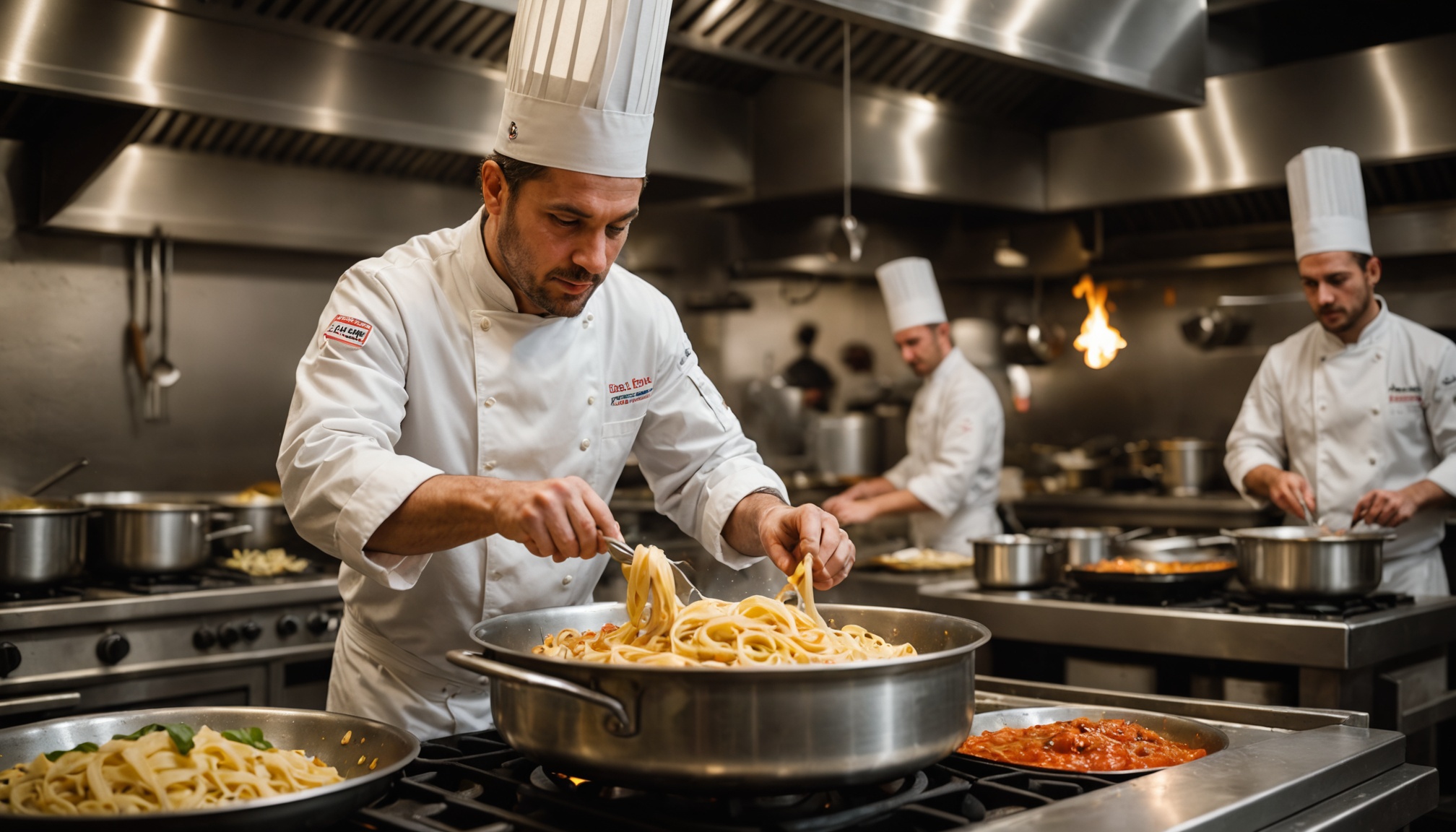
A quick reheat on the stovetop, with the right amount of liquid and heat, brings pasta back to something close to fresh. The technique matters more than the ingredient.